The Earth speaks below the range of human hearing — before tsunamis, before eruptions, before storms. HERD Research is the umbrella for everything we do to learn that language: sensors, deterrents, datasets and open science. One mission, many ears.
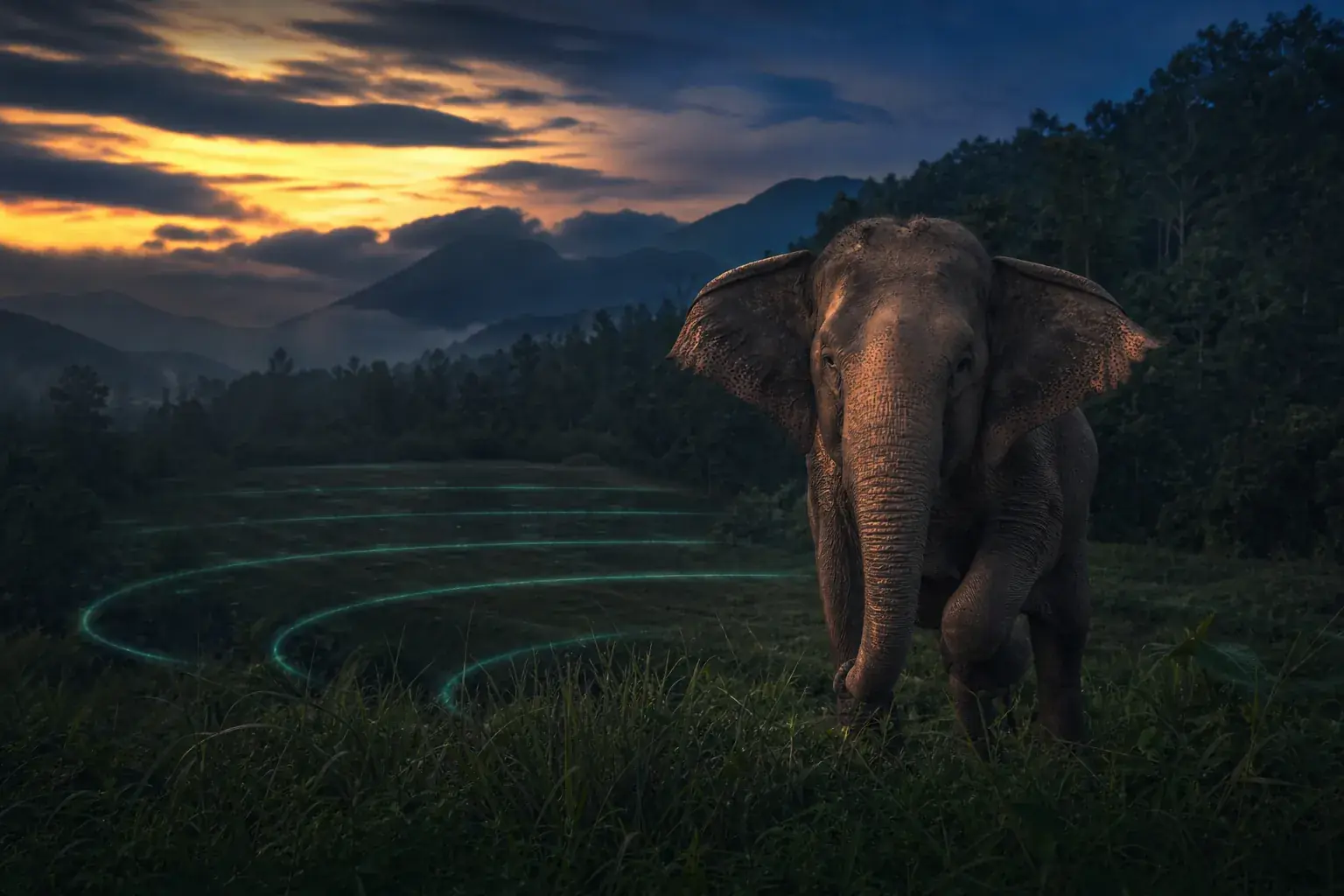
Elephants ran uphill minutes before the 2004 tsunami reached Khao Lak. Birds flee tornadoes a day in advance. The signal is infrasound — pressure waves below 20 Hz that travel hundreds of kilometres. It has been measured by science for decades, but almost nobody is listening at the coastline, where minutes save lives.
HERD Research develops low-cost, open acoustic technology for coexistence with the ocean and the planet: hearing danger earlier, and protecting people from wildlife — and wildlife from people — without nets, chemicals or harm.
Every HERD project, sponsorship offer and donation ask lives under a single story: build low-cost, open technology that hears the planet and protects both people and wildlife. Here is everything we run, from the flagship network to early-stage research.
Flagship · in development
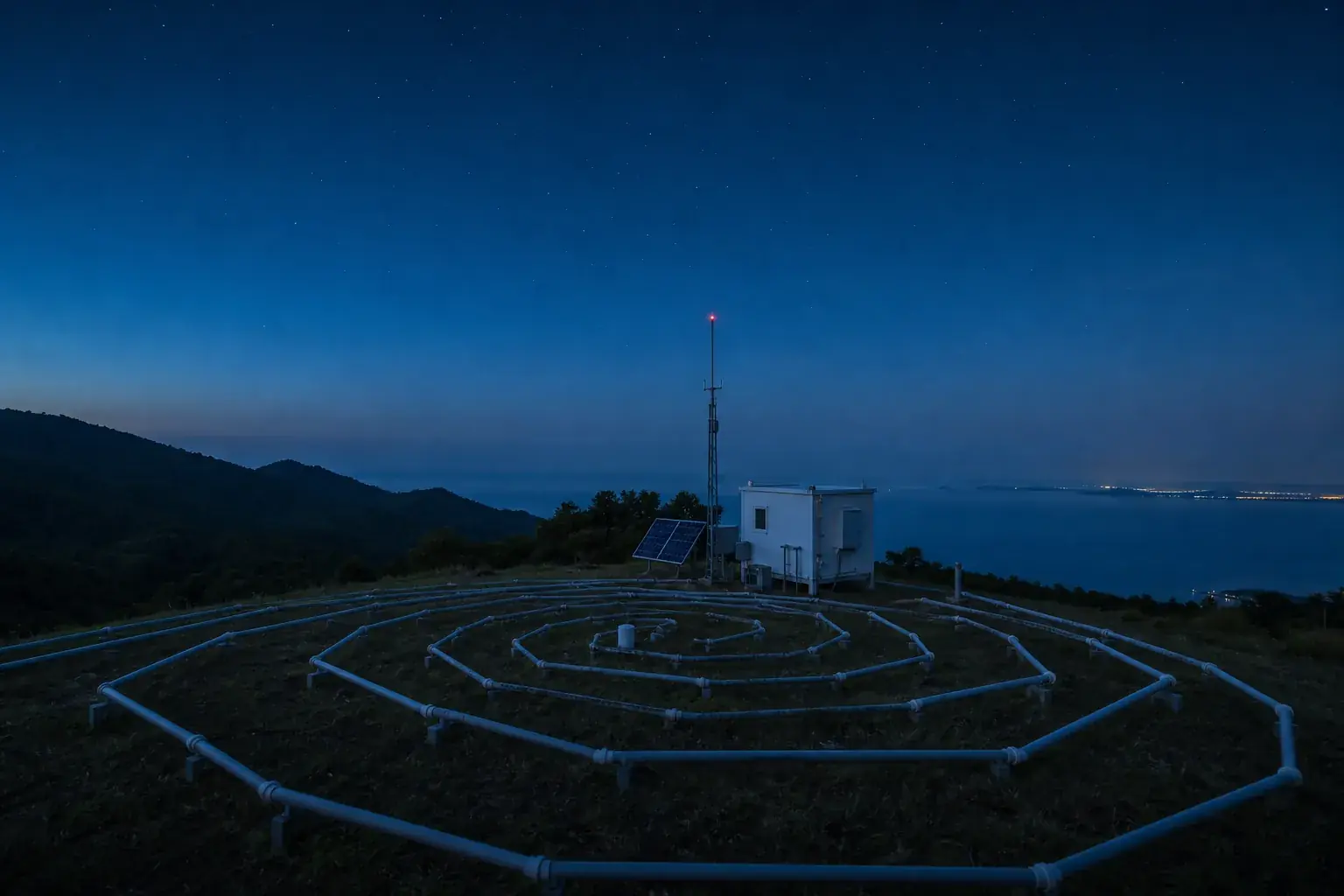
Our flagship, at theherd.network: a $25 home infrasound sensor and a citizen network for early detection of tsunamis and volcanic eruptions across coastal Asia. Open hardware, open data, honest economics. First node not yet built.
HERD One & the network →
Medusa program · active
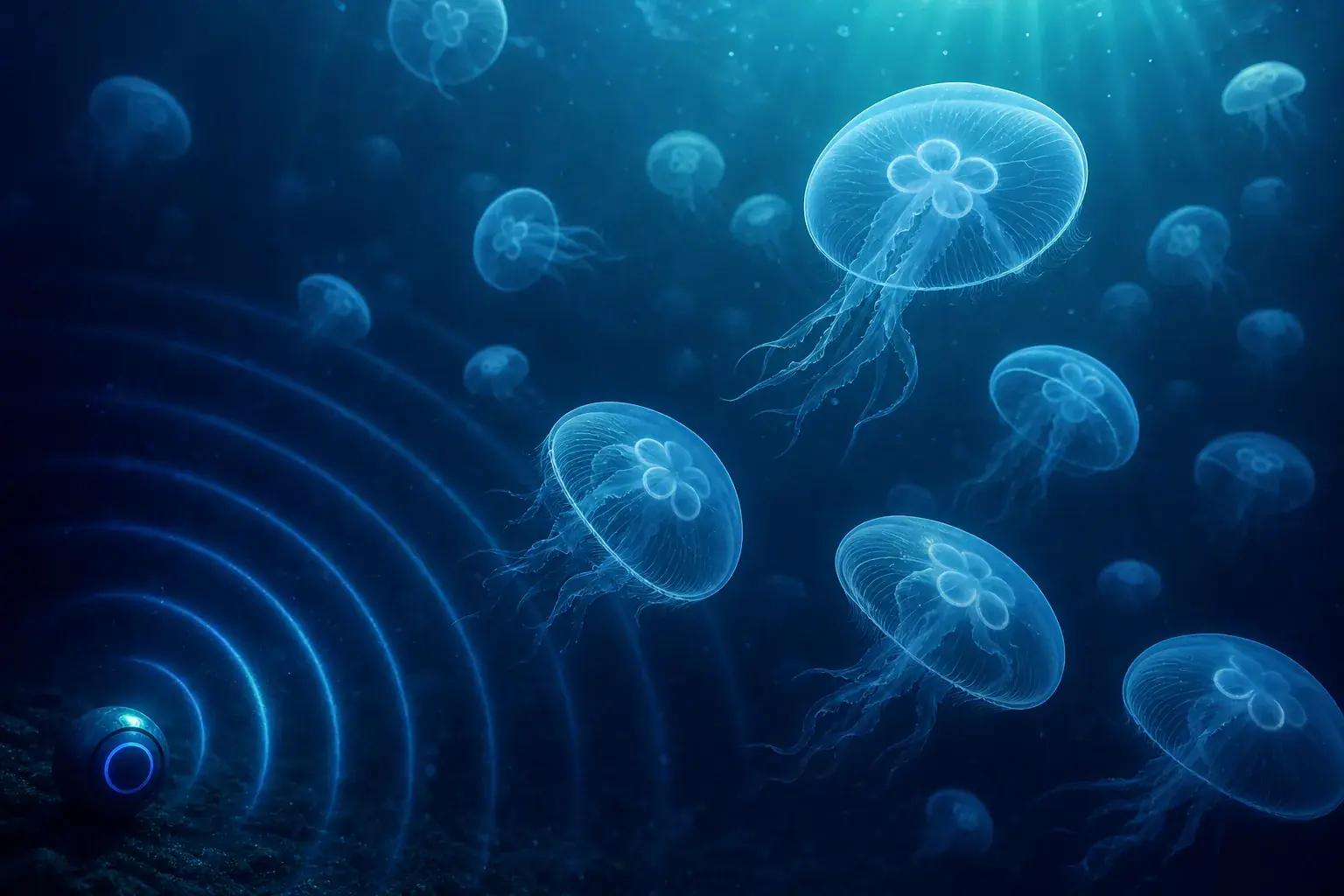
Jellyfish-bloom monitoring and prediction today, plus staged research into a humane acoustic barrier — sound instead of nets and chemicals — for resorts, desalination and coastal utilities. Statocyst research and open lab notes from Phuket.
Jellyfish program →
Open science
One of the largest open popular-science infrasound collections: 270+ vetted sources across 13 topics — from elephant seismics to nuclear-test monitoring. Free for everyone, forever.
Open the library →
In research
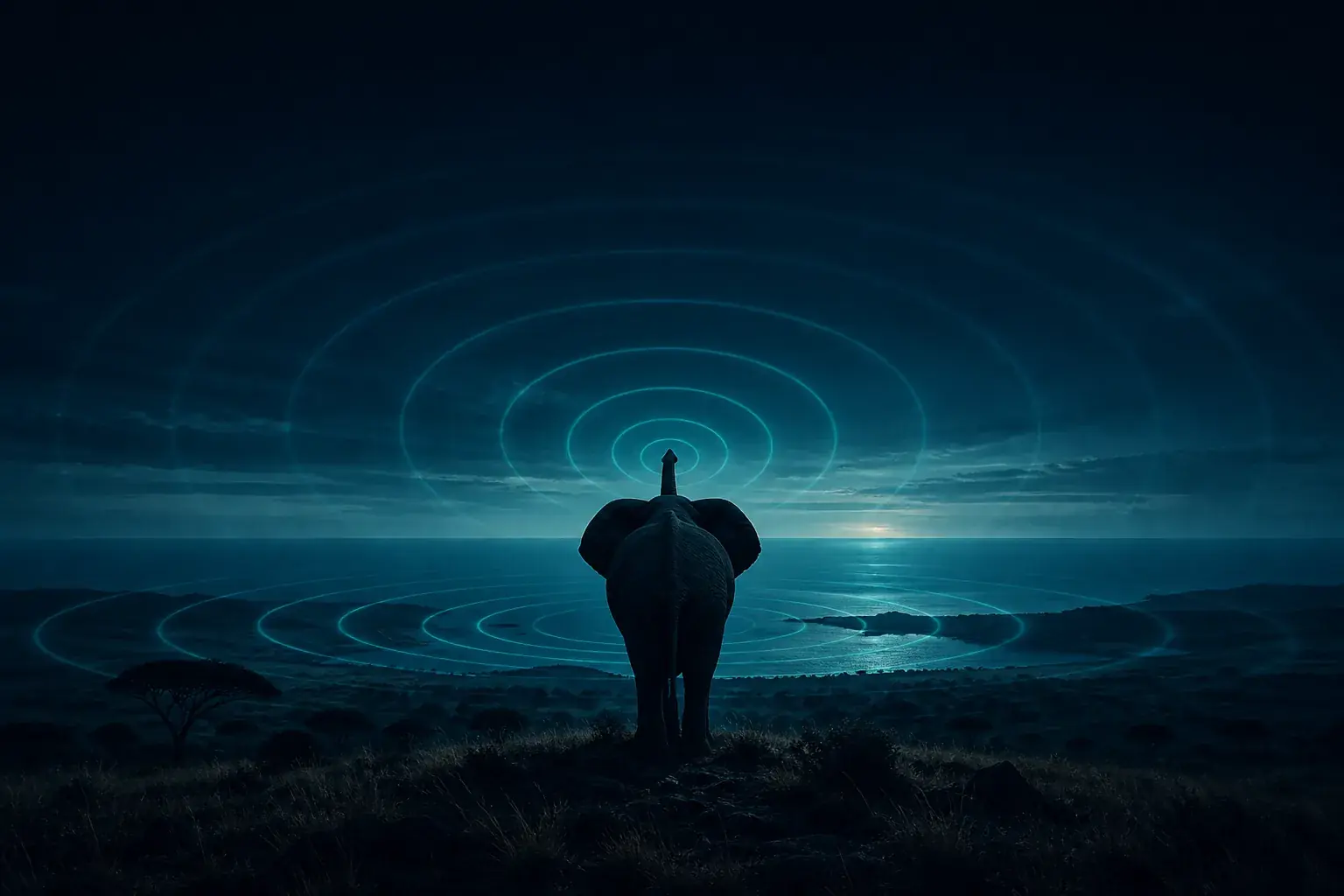
An early-stage research direction: treating the calls of elephants, whales and birds as living low-frequency sensors of the environment. Exploratory — we share it openly as it develops, and never over-promise.
Collaborate with us →270+ vetted sources across 13 topics — these six are the best doors in:
Hardware schematics, data and lab notes are published as we go. Anyone can verify, replicate or improve our work — that is the point.
We say "experiment" when it's an experiment. No certified-alarm promises, no miracle claims. Negative results get published too.
We protect people from wildlife and wildlife from people. No harm to animals: deterrence over destruction, coexistence over control.
The network belongs to the people who host it. Low-cost devices, transparent economics, and data that serves the coastline it comes from.
HERD is run by HERD Network, LLC — a small for-profit research company, not a charity. We're honest about that: below are the real ways money reaches the mission, and exactly what each one does.
Give once, by card — $5 to $200 or a custom amount. It funds parts, field trials and open data across the whole portfolio. No equity, no refund once spent; not a tax-deductible charitable gift.
Donate →Fund a specific program and get brand deliverables back — logo placement, named stations, a CSR report your finance team can usually book as a marketing / CSR expense. Bronze / Silver / Gold tiers and bespoke R&D packages.
Support & partner →Foundations, science patrons and public programs: grants, a named research center, and — for tax-deductible mission gifts — a fiscal-sponsor route (Open Collective, being set up). Let's structure it together.
Talk to us →Honest note: contributions to HERD Network, LLC are not tax-deductible charitable donations. Company sponsorships with deliverables are normally a legitimate marketing / CSR expense (confirm with your accountant). For genuinely tax-deductible mission giving we're setting up a fiscal sponsor (a 501(c)(3) host via Open Collective) — ask us for the current status. See the full menu on the Support page.
HERD Research is led by founder Artem Podelenko and built in the open from Bang Tao, Phuket — the coastline that learned the price of ten minutes the hard way. We collaborate with scientists, hotels, developers and citizens; if your work touches bioacoustics, marine biology or disaster resilience, we'd like to hear from you.